
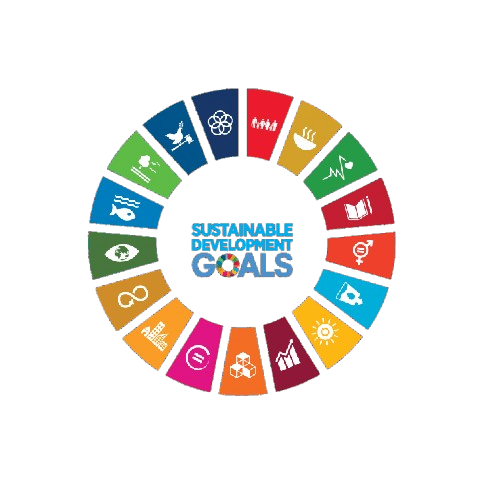
Aligned with
This conference contributes to global sustainability by aligning its research discussions and academic sessions with key United Nations Sustainable Development Goals. It fosters knowledge exchange, innovation, and collaborative engagement.
 SDG 3 — Good Health and Well-being
 SDG 4 — Quality Education
 SDG 8 — Decent Work and Economic Growth
 SDG 9 — Industry, Innovation and Infrastructure
 SDG 10 — Reduced Inequalities
 SDG 11 — Sustainable Cities and Communities
This track focuses on the latest pedagogical approaches and technologies in teaching sports biomechanics. Participants will explore innovative curricula and instructional strategies that enhance student engagement and learning outcomes.
This session will delve into the methodologies and technologies used for analyzing athletic movements. Researchers will present findings that contribute to a deeper understanding of performance and technique optimization.
This track examines the principles of skill acquisition and motor learning within the context of sports biomechanics. Discussions will center on effective training methodologies that enhance athlete performance.
This session will explore the role of functional training in optimizing athletic performance. Presentations will highlight biomechanical insights that inform training practices for various sports.
This track addresses the critical issue of injury prevention through biomechanical analysis. Experts will share research findings that inform best practices for reducing injury risk in athletes.
This session will showcase cutting-edge technologies in motion analysis and their applications in sports biomechanics. Participants will learn about the impact of these advancements on research and coaching practices.
This track focuses on the biomechanical principles underlying strength training techniques. Researchers will discuss how these insights can enhance training effectiveness and athlete performance.
This session will explore the biomechanical factors that influence endurance training. Presentations will highlight research aimed at optimizing training regimens for endurance athletes.
This track examines how biomechanical research can inform effective coaching strategies. Participants will discuss the integration of scientific findings into practical coaching applications.
This session will focus on the challenges and strategies for translating biomechanical research findings into practical applications in sports. Discussions will emphasize collaboration between researchers and practitioners.
This track will explore emerging trends and future directions in sports biomechanics research. Participants will engage in discussions about the potential impact of new technologies and methodologies on the field.
Given the evolving security situation and restricted airspace across parts of the Middle East, this event may be held exclusively online. Attendees are advised to monitor official travel advisories before booking