
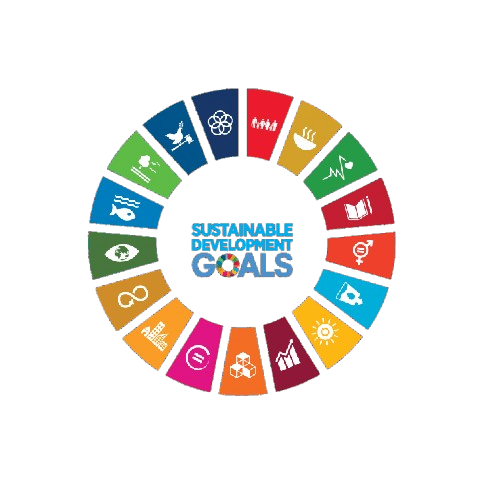
Aligned with
This conference contributes to global sustainability by aligning its research discussions and academic sessions with key United Nations Sustainable Development Goals. It fosters knowledge exchange, innovation, and collaborative engagement.
 SDG 3 — Good Health and Well-being
 SDG 4 — Quality Education
 SDG 8 — Decent Work and Economic Growth
 SDG 9 — Industry, Innovation and Infrastructure
 SDG 11 — Sustainable Cities and Communities
This session will explore the underlying neuromuscular mechanisms that influence athletic performance across various sports. Emphasis will be placed on the integration of neural control and muscular function in optimizing movement efficiency.
This track focuses on the biomechanical principles that govern movement coordination in sports. Presentations will highlight innovative methodologies for assessing and enhancing coordination in athletic contexts.
This session will examine the role of functional training in improving athletic performance and movement efficiency. Research will be presented on the effectiveness of various training modalities in enhancing neuromuscular control.
This track will address the latest research on injury prevention strategies informed by biomechanics and neuromuscular control. Discussions will focus on identifying risk factors and implementing effective interventions to reduce injury incidence.
This session will highlight innovative rehabilitation techniques that leverage biomechanical principles to facilitate recovery in athletes. Presentations will focus on the integration of neuromuscular training in rehabilitation protocols.
This track will delve into the technologies and methodologies used for athlete monitoring to optimize performance. Emphasis will be placed on the role of data analytics in enhancing training outcomes and performance metrics.
This session will explore the processes of skill acquisition and motor learning as they relate to sports performance. Research will focus on effective coaching strategies and training environments that facilitate skill development.
This track will showcase cutting-edge technologies that enhance the understanding of biomechanics in sports. Presentations will cover innovations in motion analysis, wearable technology, and their applications in performance assessment.
This session will investigate various strength training protocols and their impact on athletic performance. Research will highlight the biomechanical considerations necessary for optimizing strength gains in different sports.
This track will focus on the biomechanical and physiological adaptations resulting from endurance training. Presentations will explore the interplay between neuromuscular control and endurance performance in athletes.
This session will address emerging trends in sports medicine that intersect with biomechanics and neuromuscular control. Discussions will include the latest research findings and their implications for athlete health and performance.